March 24, 2026
Vinyl flooring has become one of the most popular choices for both residential and commercial interiors due to its affordability, durability, and versatility. Over the years, innovations in manufacturing have transformed vinyl into a highly adaptable material capable of mimicking premium surfaces like hardwood and stone. Among the most common options available today are traditional vinyl flooring and vinyl plank flooring, also known as luxury vinyl plank (LVP).
Understanding the differences between these two flooring types is essential for homeowners, property managers, and designers who want to make the best investment for their space. This guide explores the characteristics of regular vinyl flooring and vinyl plank flooring, offering a clear comparison to help readers confidently choose the right option for their next project.
The Basics of Vinyl Flooring
Vinyl flooring is a synthetic product primarily made from polyvinyl chloride (PVC), a durable and flexible material known for its resilience. It is designed to replicate the appearance of natural surfaces while offering enhanced resistance to moisture, stains, and wear. Available in multiple formats, including sheets, tiles, and vinyl plank flooring, vinyl has become a staple in modern interior design.
The origins of vinyl flooring date back to the mid-20th century, when it was introduced as a more affordable alternative to linoleum. Its popularity quickly grew due to its water-resistant properties and ability to withstand heavy use. Early versions were limited in design, but advancements in printing and texturing technology have significantly improved its realism over time.
Today, vinyl flooring can closely resemble wood, stone, and ceramic materials, making it a practical choice for a wide range of environments. It is commonly used in kitchens, bathrooms, and basements where moisture resistance is essential, but it is also increasingly found in living rooms and bedrooms due to its comfort underfoot and sound-absorbing qualities.
One of the most notable developments in the industry is the rise of vinyl plank flooring, which takes the benefits of traditional vinyl and enhances them with improved aesthetics and durability. According to This Old House, luxury vinyl planks can be manufactured in sizes up to 12 inches wide and 96 inches long, dimensions that are difficult to achieve with natural hardwood. This allows homeowners to achieve a high-end look without the cost and maintenance associated with real wood flooring.
As consumer demand continues to grow, vinyl flooring remains a competitive option due to its balance of performance, design flexibility, and affordability.
Regular Vinyl Flooring
Regular vinyl flooring is constructed using multiple layers that work together to provide durability and visual appeal. These layers typically include a backing layer for stability, a printed design layer that creates the desired look, and a protective wear layer that resists scratches and stains. This construction allows regular vinyl to perform well in a variety of environments while remaining cost-effective.
One of the primary advantages of regular vinyl flooring is its ease of installation. Depending on the product, it can be installed using adhesive, peel-and-stick backing, or loose lay methods. These options make it accessible for both professional installers and homeowners who prefer a do-it-yourself approach. The relatively simple installation process also reduces labor costs and project timelines.
Regular vinyl flooring is widely used in areas where moisture resistance is a priority. Kitchens, bathrooms, and laundry rooms are common applications, as the material can withstand spills and humidity without warping. It is also frequently used in commercial spaces such as offices and retail stores due to its ability to handle moderate foot traffic while maintaining a clean and polished appearance.
Despite its many benefits, regular vinyl flooring does have limitations. While it can mimic the look of natural materials, it does not achieve the same level of depth and realism as vinyl plank flooring. This can be noticeable in spaces where aesthetics play a central role in the overall design. Additionally, although it is durable, it may be more susceptible to dents or tears caused by heavy furniture or sharp objects.
Vinyl Plank Flooring
Vinyl plank flooring represents a more advanced and refined version of traditional vinyl, engineered to replicate the appearance of natural hardwood with remarkable accuracy. Its construction includes multiple layers, often featuring a rigid or flexible core, a high-definition design layer, and a thick wear layer that enhances durability and resistance to damage.
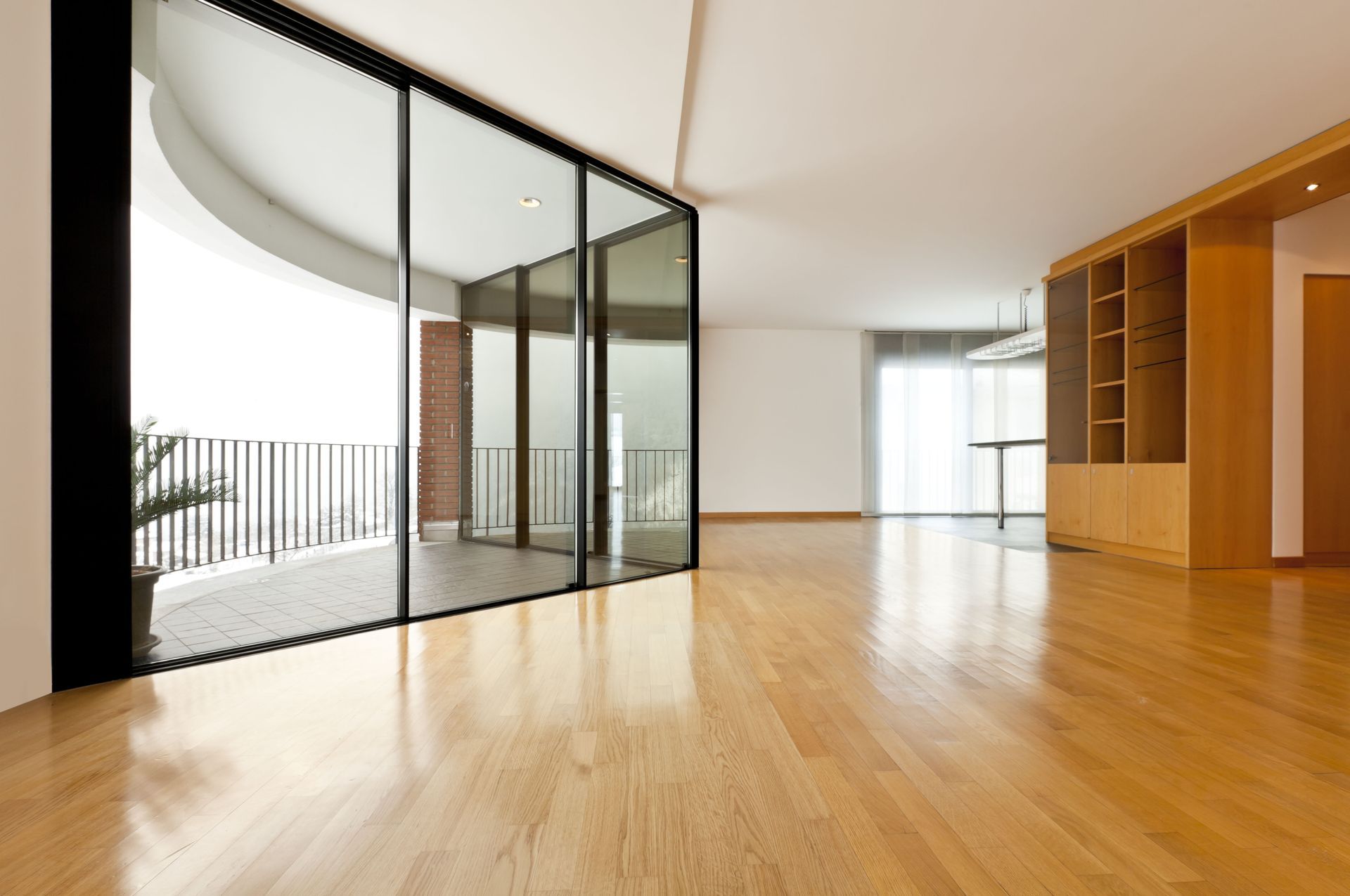
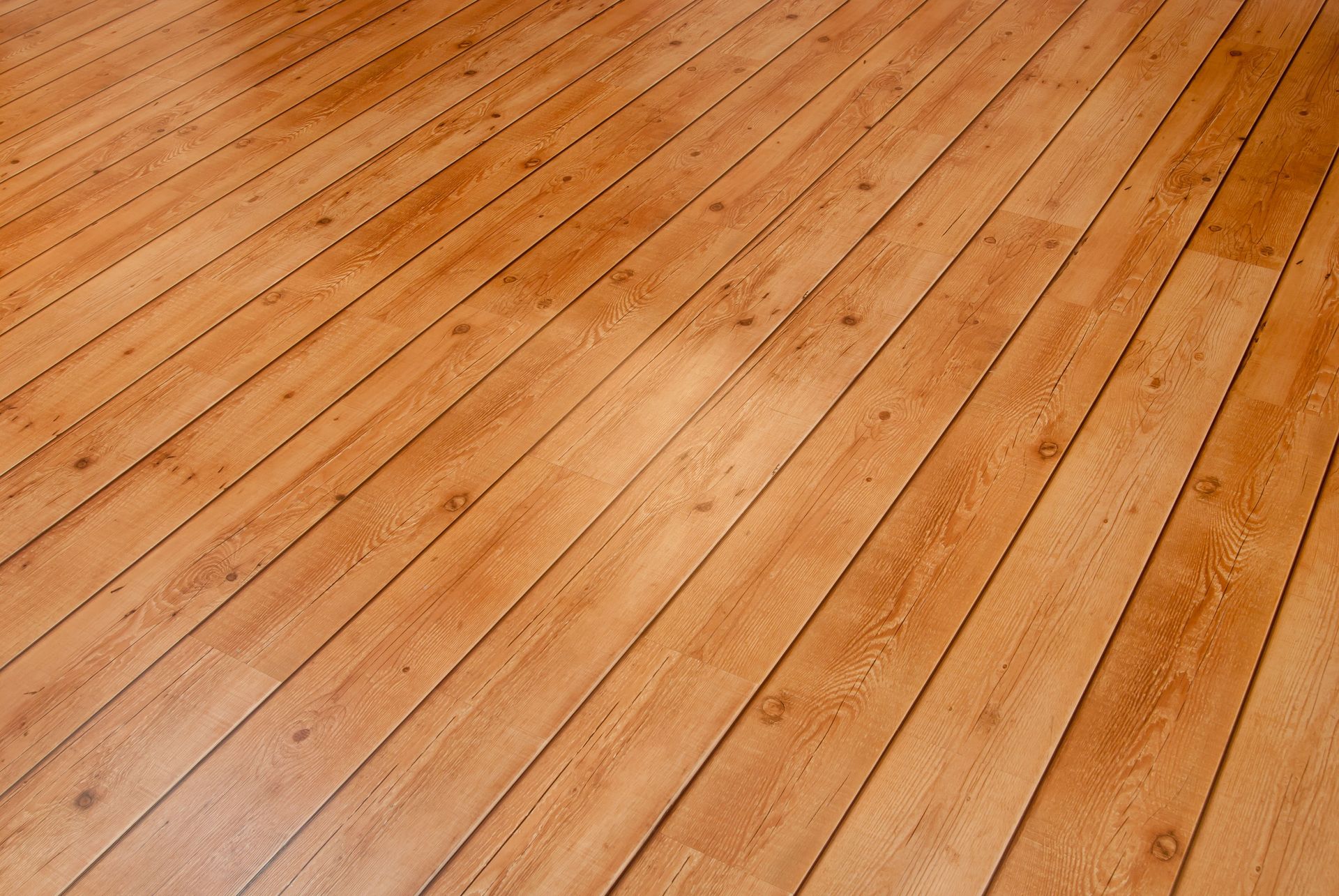
One of the most significant advantages of vinyl plank flooring is its visual appeal. Advanced printing technology allows manufacturers to create detailed wood grain patterns, knots, and textures that closely resemble real wood. Many products also feature embossed finishes that add a tactile dimension, further enhancing their authenticity. As a result, vinyl plank flooring is often indistinguishable from hardwood at first glance, making it a popular choice for homeowners seeking a high-end look without the associated costs.
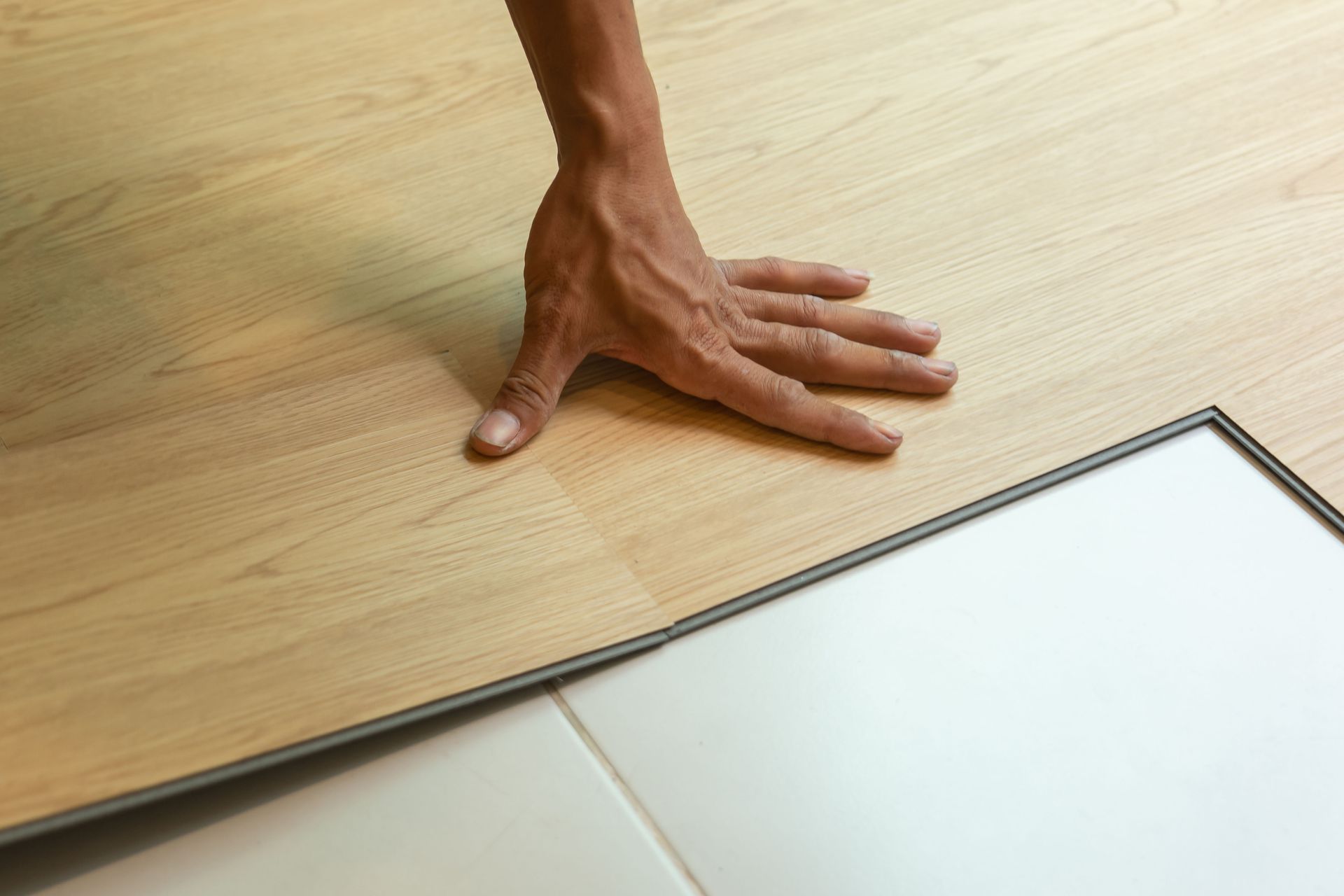
Installation is another area where vinyl plank flooring excels. Many products use click-and-lock systems that allow the planks to snap together easily, eliminating the need for adhesives. This not only simplifies the installation process but also ensures a secure and stable fit. Additionally, vinyl plank flooring can often be installed over existing subfloors, reducing the need for extensive preparation and making it a convenient option for renovations.
The versatility of vinyl plank flooring makes it suitable for a wide range of applications. It performs well in moisture-prone areas such as kitchens and bathrooms, as well as in living spaces where comfort and aesthetics are important. Its durability also makes it ideal for high-traffic areas, including hallways and commercial environments.
Vinyl Plank Flooring and Regular Vinyl Comparison
When comparing regular vinyl flooring to vinyl plank flooring, several key differences emerge that can influence the decision-making process. One of the most important factors is cost. Regular vinyl flooring is generally more affordable upfront, making it an attractive option for those working within a limited budget. In contrast, vinyl plank flooring typically requires a higher initial investment due to its enhanced design and construction. However, its durability and visual appeal often provide greater long-term value.
Durability is another critical consideration. While both flooring types are designed to withstand everyday use, vinyl plank flooring offers superior resistance to heavy foot traffic and environmental stress. Its thicker wear layer and more robust construction make it better suited for areas that experience frequent use or require additional durability. Regular vinyl flooring, while still reliable, is often better suited for spaces with lighter traffic.
Aesthetic differences also play a significant role in choosing between these options. Regular vinyl flooring provides a wide range of design choices, but it may lack the depth and realism of vinyl plank flooring. For those who want the appearance of natural hardwood without the maintenance requirements, LVP is often the preferred solution. Its ability to closely replicate wood grain and texture elevates the overall look of a space.
Installation methods for both flooring types are relatively straightforward, but vinyl plank flooring often incorporates more advanced systems that enhance ease of use and stability. These features can make a noticeable difference in the overall installation experience, particularly for larger projects or those requiring a seamless finish.
Ultimately, the choice between regular vinyl flooring and vinyl plank flooring depends on individual priorities. Factors such as budget, desired appearance, level of foot traffic, and long-term performance expectations all play a role in determining the most suitable option.
Selecting between regular vinyl flooring and
vinyl plank flooring
requires careful consideration of both practical needs and design preferences. By understanding the key differences between these flooring types, homeowners and designers can confidently choose a solution that delivers the right balance of style, durability, and value for their specific environment. Contact Foothills Flooring for more information today.