August 20, 2026
Choosing the right flooring for your home often feels like a balancing act between aesthetic appeal, budget constraints, and everyday durability. With dozens of materials on the market, one option has surged in popularity due to its sheer versatility, realistic textures, and robust performance under pressure. Knowing exactly where to install vinyl plank flooring ensures you maximize your home improvement investment while protecting your floors from daily wear and tear.
Understanding the Material
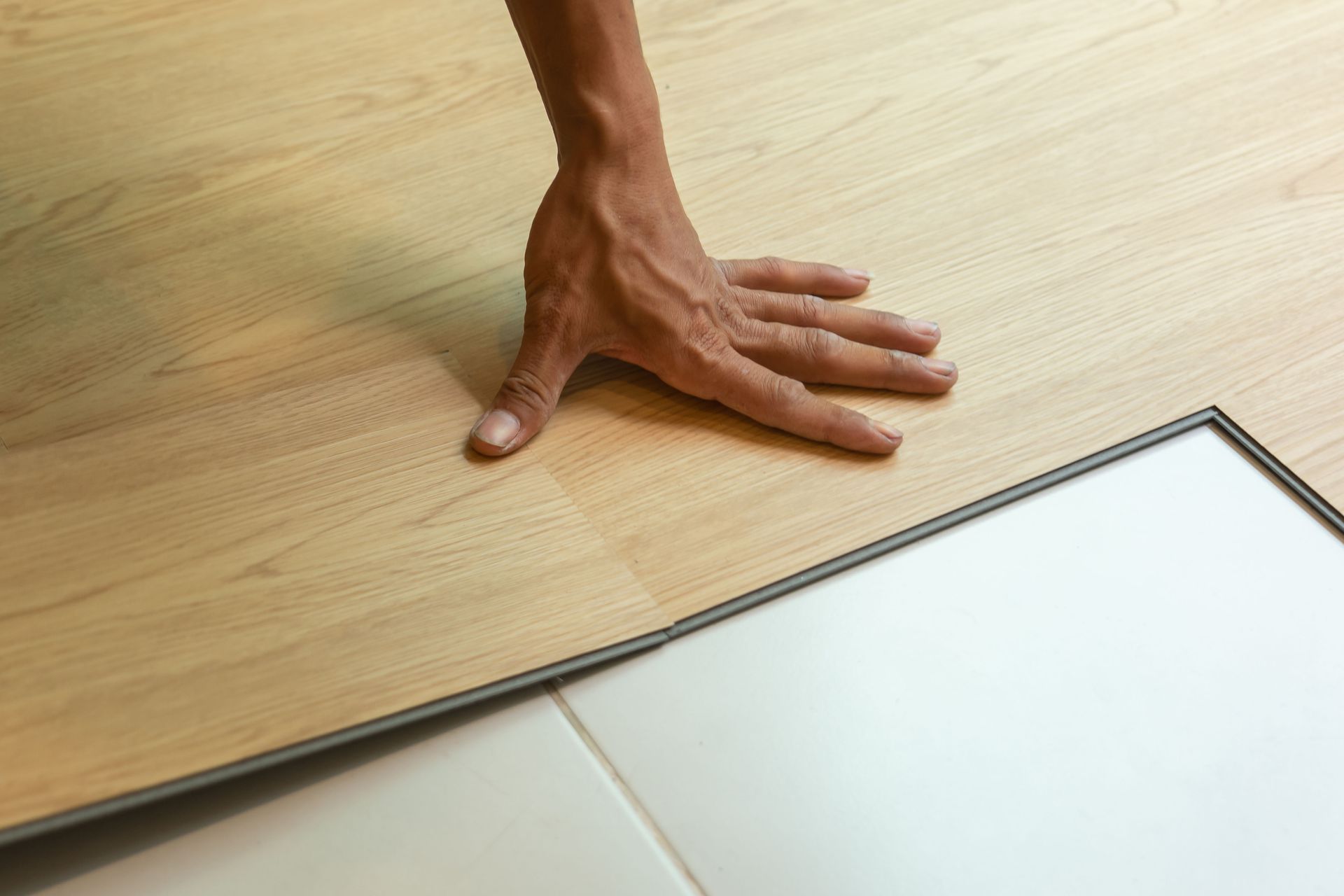
Before mapping out your home, it is essential to understand what makes this material uniquely resilient. Unlike traditional wood or older iterations of sheet goods, modern vinyl flooring relies on a multi-layered construction typically featuring a rigid core, a high-definition photographic layer, and a clear, heavy-duty wear layer. This composition allows it to convincingly mimic exotic hardwoods, distressed oak, or even natural stone while offering a forgiving, slightly resilient surface underfoot.
The underlying engineering determines how well a floor handles moisture, impact, and temperature fluctuations. According to insights from home care experts at The Spruce, vinyl flooring holds a distinct edge over laminate when it comes to moisture protection because every variety of vinyl flooring is engineered from completely waterproof materials. This fundamental composition means that even if water penetrates the seams, the planks themselves will not swell, buckle, or warp the way wood-based composites do. This structural immunity to moisture opens up design possibilities in areas of the home where hard surface flooring was previously considered a gamble.
Evaluating High-Moisture Environments
The absolute best utilization of vinyl plank flooring is found in rooms that face daily exposure to water, steam, and spills. Bathrooms are prime examples; the heavy humidity from showers and the inevitable puddles from baths can quickly ruin solid hardwood or laminate. Using vinyl planks in a full bathroom gives you the upscale appearance of a spa-like wood floor without the constant anxiety of water damage or the cold, hard surface of traditional ceramic tile.
Kitchens represent another high-stakes environment where moisture resistance is crucial. From dropped ice cubes and dishwasher leaks to splattered pasta sauce, kitchen floors endure constant liquid threats. Installing vinyl flooring in the kitchen creates a seamless, easy-to-clean surface that can handle heavy foot traffic and dropped cast-iron skillets without cracking. Because the material is highly stain-resistant, even deep pigments like red wine or coffee wipe away effortlessly from the protective wear layer, keeping the space looking pristine with minimal maintenance.
Mudrooms and entryways also fall squarely into this high-moisture category. These transitional zones bear the brunt of tracking in rainwater, melting snow, road salt, and mud. A floor that absorbs this moisture will quickly rot or develop mold underneath. By opting for a waterproof vinyl surface in your entry points, you create a defensive barrier that locks out moisture at the door, allowing you to simply mop up the mess once the weather clears.
Analyzing High-Traffic Living Areas
Moisture is only one side of the coin; daily physical wear is the other. Busy living spaces require a floor that can withstand the friction of moving furniture, running children, and shifting area rugs. Living rooms and family dens benefit immensely from vinyl plank flooring because the thick wear layer protects against deep scratches and scuffs that would easily mar soft woods like pine or cherry.
For households with pets, the living room floor can become a battleground of claws, tracked-in dirt, and occasional accidents. Traditional hardwoods require expensive sanding and refinishing to repair deep pet scratches, while carpet traps dander, fur, and odors. Vinyl planks offer a perfect middle ground, providing a scratch-resistant surface that does not harbor allergens and can be thoroughly sanitized without degrading the material. The slight give of the planks also provides a more comfortable, less slippery surface for pets to walk on compared to polished stone or porcelain tile.
Hallways and staircases function as the interior highways of a home, experiencing concentrated foot traffic over small surface areas. This focused wear can cause paths to wear down quickly on carpet or create dull spots on finished wood. The durability of vinyl plank flooring ensures that these high-traffic corridors maintain a uniform appearance for decades, resisting the localized cupping and dulling that usually plagues high-use pathways.
Assessing Subterranean Spaces
Basements present a notoriously difficult environment for flooring installation due to their inherent structural vulnerabilities. Because they are situated below grade, basement subfloors are constantly subjected to hydrostatic pressure, which pushes ground moisture up through concrete slabs. This continuous vapor transmission creates a damp environment where traditional wood flooring will cup and buckle, and carpets will inevitably trap moisture and develop a musty mold odor.
Utilizing vinyl plank flooring in a finished basement solves these chronic moisture issues completely. Because the planks are made of synthetic polymers, they do not provide an organic food source for mold or mildew to grow. When paired with a proper vapor barrier underneath, a floating vinyl floor isolates the living space from the damp concrete below, transforming a cold, underutilized basement into a comfortable, dry family room, home gym, or guest suite.
Furthermore, basements are prone to catastrophic water events, such as sump pump failures or plumbing leaks from the floors above. If a basement floods, wood and carpet must almost always be torn out and thrown away. With a waterproof vinyl installation, the planks can often be carefully unclicked, dried out along with the subfloor, and reinstalled once the space is completely remediated, saving thousands of dollars in replacement costs.
Designing Secondary Spaces
Beyond the primary rooms of a house, several secondary spaces can be elevated through smart flooring choices. Home home offices have become essential hubs of daily activity, requiring floors that can handle the constant rolling of office chairs. Rolling casters can quickly grind down the finish on hardwood or create deep ruts in low-pile carpets, but the dense core of a high-quality vinyl plank easily resists this localized pressure, ensuring smooth mobility and zero surface degradation.
Laundry rooms are another secondary area where heavy appliances pose a dual threat of moisture and vibration. Washing machines can occasionally leak or overflow, and the intense spinning cycles can cause heavy appliances to vibrate against the floor, leading to cracks in tile or deep indentations in soft materials. The density and resilience of vinyl plank flooring absorb these vibrations effectively while providing total peace of mind against supply line failures.
Finally, residential workshops and crafting rooms benefit from a floor that resists chemical spills and impacts. Whether you are dealing with spilled paint, dropped tools, or hot glue, a vinyl surface allows you to focus on your projects without worrying about ruining the room. The ease of cleaning means that sawdust, glitter, or dried adhesives can be scraped or swept away without leaving a permanent mark on your home.
Optimizing Investment Longevity
Selecting the right room for your flooring installation is only half the battle; ensuring its long-term performance requires a basic understanding of proper maintenance and installation practices. While vinyl is incredibly tough, it is not completely indestructible. Using felt pads under heavy furniture legs prevents localized gouging, and avoiding steam mops, which can force high-pressure heat into the seams and soften the adhesives, keeps the interlocking joints perfectly sealed.
Regular maintenance is remarkably straightforward, requiring nothing more than a soft-bristle broom or vacuum without a beater bar to remove loose grit that could act like sandpaper over time. For deeper cleaning, a damp mop with a pH-neutral cleaner keeps the wear layer bright and clear without leaving a dulling soap residue. By matching this low-maintenance material with the rooms that need it most, you create a home that is both beautiful and resilient enough to handle the realities of everyday life. For more on how the rooms of your home benefit from
vinyl plank flooring, please reach out to Foothills Flooring today.