June 2, 2026
Choosing the right flooring for a home is one of the most important decisions homeowners make during a renovation or construction project. Flooring affects comfort, appearance, durability, maintenance, and even property value. With so many options available today, picking the best surface can feel overwhelming. Each room in a home serves a different purpose, which means the ideal flooring choice may vary depending on lifestyle, traffic levels, moisture exposure, and design preferences. Keep reading to learn the strengths of each flooring type so you can make an informed decision!
Why Flooring Matters in Home Design
Flooring plays a major role in defining the overall atmosphere of a home. It influences how a room looks, feels, and functions on a daily basis. The right flooring material can improve comfort, increase durability, and complement furniture, wall colors, and décor choices throughout the house.
In addition to appearance, flooring impacts maintenance requirements and long-term value. High-traffic areas often require surfaces that resist scratches and moisture, while bedrooms may benefit from softer materials that provide warmth and comfort. Choosing the proper flooring material helps homeowners balance beauty, practicality, and longevity in every room.
Carpet Flooring for Comfort and Warmth
Carpet remains a popular choice for homeowners seeking comfort and softness underfoot. Bedrooms, family rooms, and living areas often benefit from carpet because it creates a warm and inviting atmosphere. Carpet also helps reduce noise, making it especially appealing for multi-level homes or households with children.
Modern carpet products are available in a wide variety of textures, colors, and stain-resistant designs. Homeowners can choose plush carpeting for luxury or low-pile options for improved durability. While carpet may require more regular cleaning than some hard surfaces, it remains a reliable flooring material for spaces where comfort is a top priority.
Hardwood Flooring and Timeless Appeal
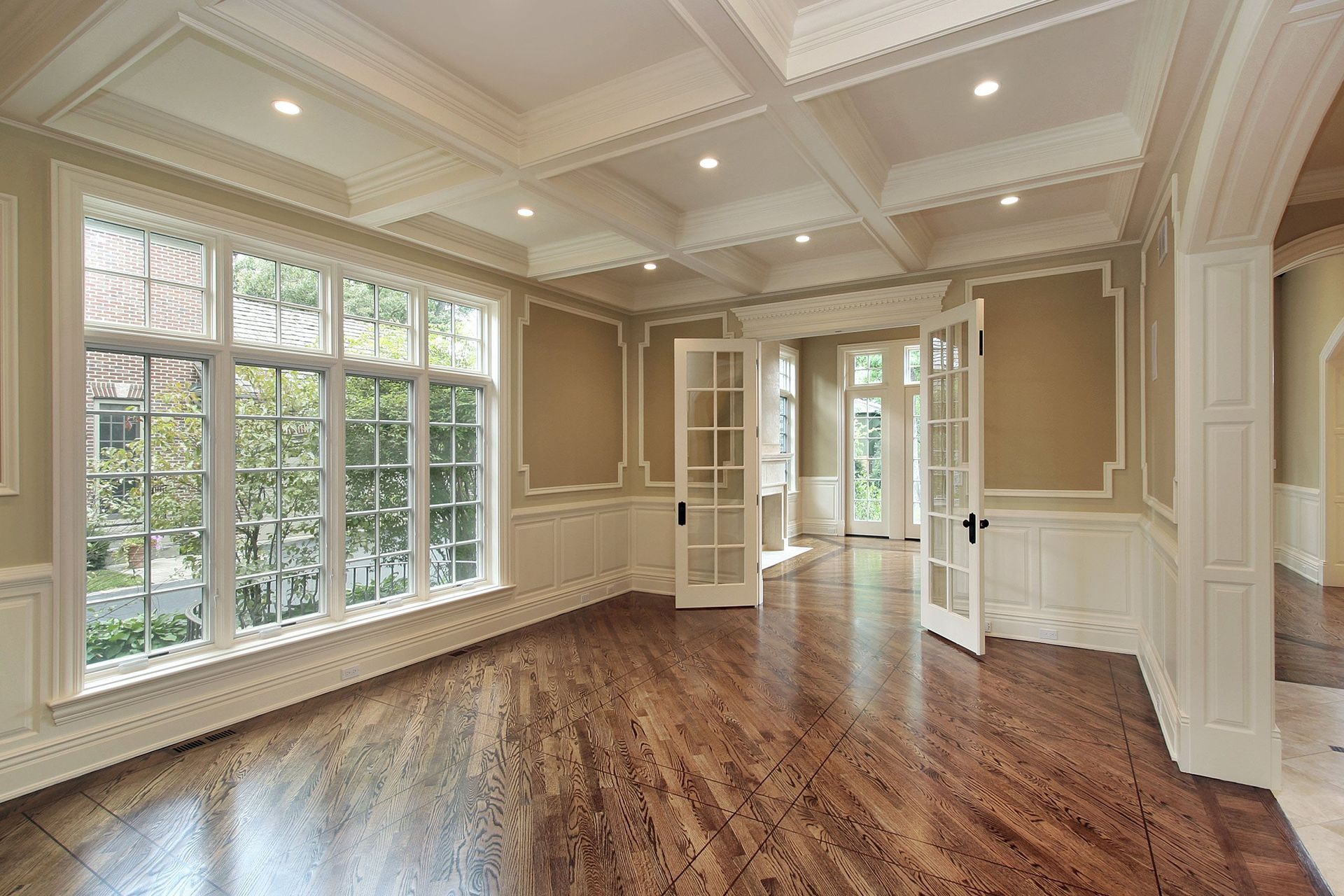
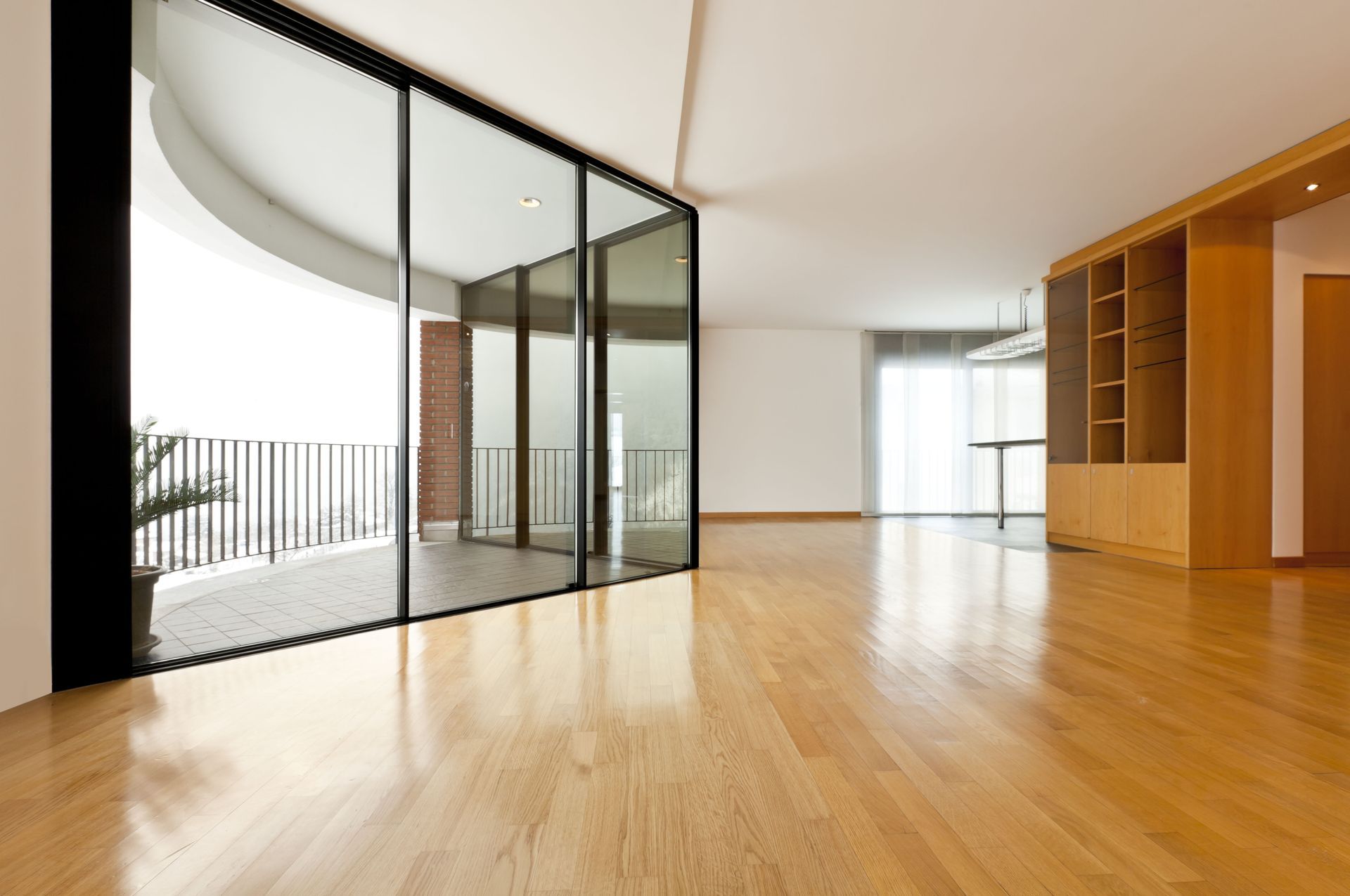
Hardwood flooring is widely recognized for its classic appearance and long-lasting value. Many homeowners choose hardwood because it adds natural beauty and elegance to both traditional and modern homes. Hardwood floors are available in numerous wood species, finishes, and plank widths, allowing for extensive customization.
One of the biggest advantages of hardwood is its longevity. Properly maintained hardwood floors can last for decades and often increase a home’s resale value. This flooring material also provides versatility because it pairs well with many different interior design styles. Although hardwood may require protection from moisture and scratches, its timeless appeal continues to make it one of the most desired flooring options available.
Laminate Flooring for Affordability
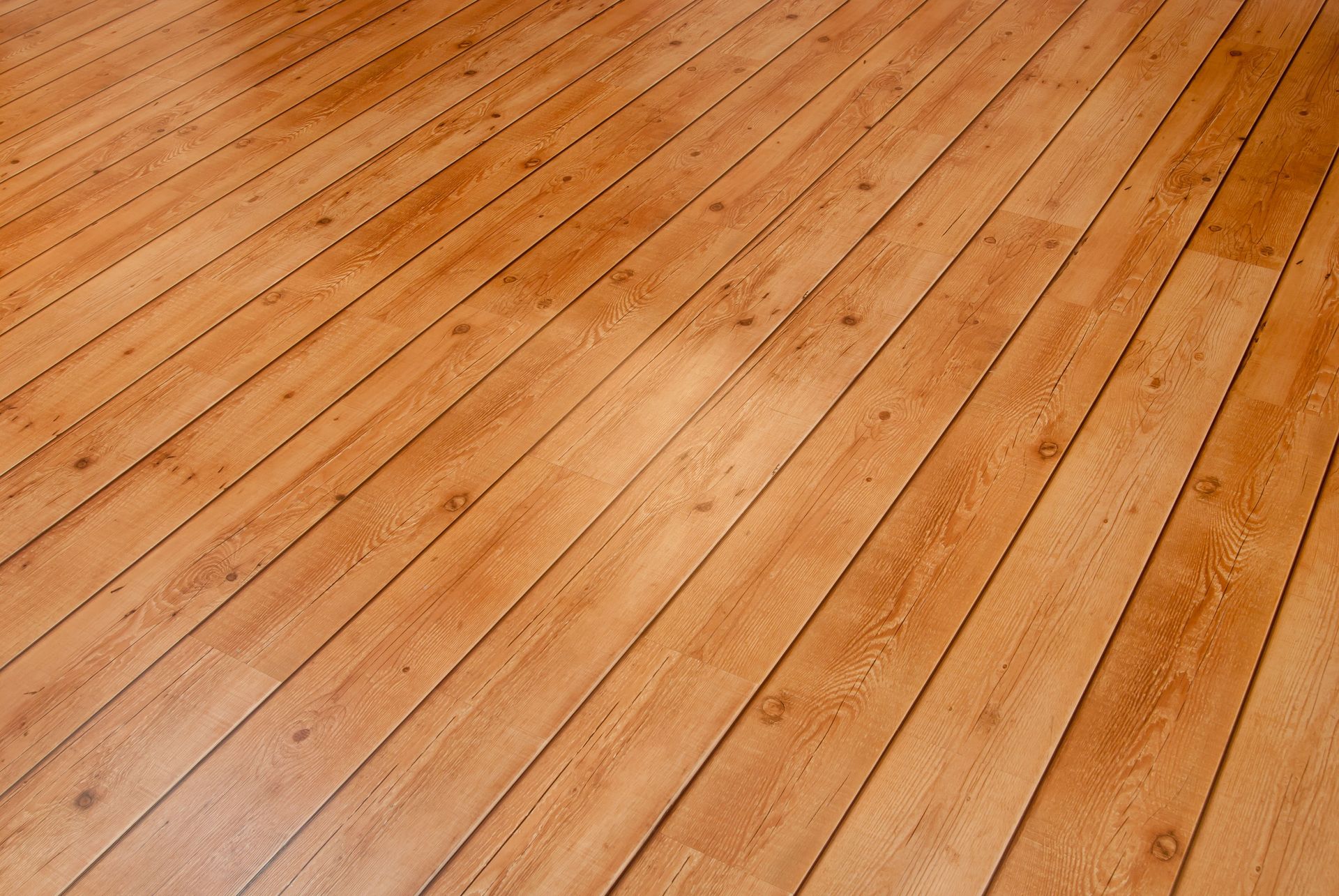
Laminate flooring offers homeowners an affordable alternative to hardwood while still delivering attractive visual appeal. Designed with a photographic layer that mimics wood or stone, laminate can replicate the appearance of more expensive materials at a lower price point.
Durability is one of laminate’s strongest benefits. Many laminate products resist scratches, dents, and fading, making them suitable for active households and high-traffic spaces. Homeowners seeking a cost-effective flooring material often appreciate laminate because it combines practicality with a stylish appearance that works in many rooms throughout the home.
Luxury Vinyl Plank and Modern Performance
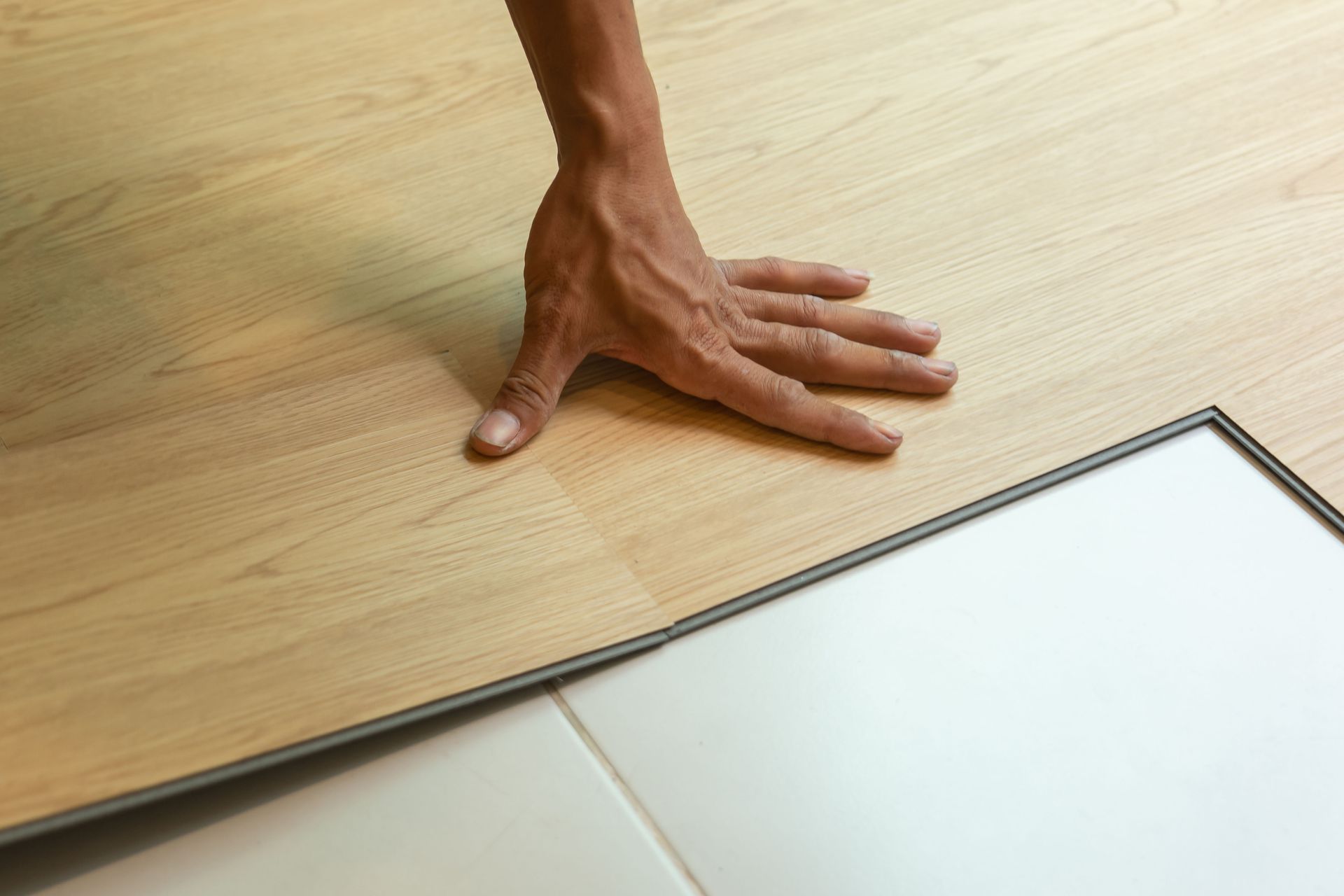
Luxury vinyl plank has become increasingly popular due to its durability, water resistance, and realistic wood-like appearance. This flooring option is especially attractive for kitchens, bathrooms, laundry rooms, and basements where moisture resistance is important.
According to This Old House, luxury vinyl flooring comes in two main types: planks and tiles. Luxury vinyl plank provides homeowners with the appearance of hardwood while offering easier maintenance and greater water resistance. As a modern flooring material, luxury vinyl plank is valued for its versatility, affordability, and ability to withstand everyday wear in busy households.
Vinyl Flooring for Everyday Durability
Vinyl flooring continues to be a dependable choice for homeowners seeking practical and budget-friendly flooring solutions. Available in sheet, plank, and tile formats, vinyl flooring offers flexibility for different room sizes and design preferences. It is commonly used in kitchens, bathrooms, and utility spaces because of its moisture-resistant qualities.
One of the primary benefits of vinyl flooring is its low maintenance requirements. The surface is generally easy to clean and comfortable underfoot. For homeowners looking for a resilient flooring material that balances cost and performance, vinyl flooring remains a reliable and widely used option.
Tile Flooring and Moisture Resistance
Tile flooring is one of the most durable and moisture-resistant flooring options available for residential properties. Frequently installed in bathrooms, kitchens, and entryways, tile flooring performs exceptionally well in areas exposed to water, spills, and heavy foot traffic.
Tile is available in ceramic, porcelain, and natural stone varieties, offering homeowners a broad range of styles and finishes. Many homeowners appreciate tile flooring because it combines durability with elegant design possibilities. As a long-lasting flooring material, tile can withstand years of use while maintaining its appearance and functionality.
Choosing Based on Room Function
Different rooms require different flooring characteristics. Bedrooms often benefit from softer surfaces like carpet, while kitchens and bathrooms usually require water-resistant materials such as tile or luxury vinyl plank. Living rooms and dining areas may prioritize aesthetics and durability, leading homeowners toward hardwood or laminate.
Selecting the right flooring material for each room improves comfort and long-term performance. By considering moisture levels, daily traffic, and maintenance expectations, homeowners can create functional spaces that support their lifestyle and design preferences throughout the home.
Maintenance Requirements for Flooring Types
Maintenance plays an important role when comparing flooring options. Some materials require more routine care than others to preserve appearance and durability over time. Hardwood may need refinishing periodically, while carpet requires regular vacuuming and occasional deep cleaning.
Tile and vinyl flooring are generally easier to maintain because they resist moisture and stains effectively. Homeowners should evaluate how much time and effort they are willing to dedicate to upkeep before choosing a flooring material. Selecting a surface that aligns with maintenance expectations helps ensure long-term satisfaction with the investment.
Durability and Household Activity Levels
Household activity levels should strongly influence flooring decisions. Homes with pets, children, or frequent visitors often benefit from highly durable surfaces capable of resisting scratches, spills, and wear. Laminate, luxury vinyl plank, and tile are commonly selected for their resilience in active households.
More formal spaces with lighter traffic may allow for softer or more delicate flooring choices. Evaluating how each flooring material performs under daily conditions helps homeowners avoid premature wear and unnecessary replacement costs in the future.
Style and Design Considerations
Flooring contributes significantly to a home’s overall visual style. Light-colored flooring can make spaces feel larger and brighter, while darker tones create warmth and sophistication. Texture, plank size, and finish also influence the atmosphere of a room.
Modern homeowners often seek cohesive designs that flow consistently from room to room. Selecting a flooring material that complements cabinetry, furniture, wall colors, and lighting helps create a polished and unified interior appearance. Flooring choices should support both current design goals and long-term flexibility for future updates.
Professional Installation Matters
Even the highest-quality flooring products depend on proper installation for long-term performance. Uneven subfloors, improper spacing, and poor sealing techniques can negatively affect durability and appearance. Professional installation helps ensure that flooring remains stable, secure, and visually appealing over time.
Experienced flooring professionals can also recommend the best flooring material for specific rooms and environmental conditions. Their expertise helps homeowners avoid costly mistakes and ensures the finished flooring performs as intended for many years.
Every flooring material offers unique advantages that suit different lifestyles and design goals. By carefully evaluating room function, maintenance expectations, durability requirements, and visual preferences, homeowners can confidently select flooring solutions that enhance comfort, beauty, and long-term value throughout the home. Our local, family-owned, and woman-operated business has been delivering quality flooring solutions for over 21 years in Maryville, TN and nearby areas. Contact Foothills Flooring today!