July 24, 2026
Vinyl plank flooring has surged in popularity across modern residential and commercial architecture, capturing the widespread attention of homeowners, interior designers, and structural experts alike with its remarkable qualities. This comprehensive examination delves into the fascinating historical, mechanical, and practical aspects of resilient floor options that might surprise even the most seasoned flooring aficionados. From its initial synthetic origins to its contemporary environmental engineering modifications, we uncover the hidden layers of structural intrigue beneath this seemingly straightforward, highly accessible surface material. Despite being utilized for several decades across various construction sectors, many functional aspects, dimensions, and manufacturing benefits of this versatile option remain widely misunderstood by the general public. This analytical document aims to broaden your technical understanding, stylistic appreciation, and long-term valuation of modern residential materials.
Uncovering the Historical Evolution of Synthetic Surfaces
Tracing the origins of resilient synthetic flooring reveals a compelling path of material engineering that originally commenced during the early decades of the twentieth century. Vinyl flooring traces its foundational roots back to the 1930s, when researchers accidentally formulated polyvinyl chloride components during extensive chemical experimentation cycles. Initially created as a highly resilient, affordable alternative to costly, moisture-sensitive natural resources like domestic hardwood and premium dimensional stone, early iterations filled critical industrial needs. Throughout the post-war economic boom, manufacturing plants refined polymerization methodologies, facilitating the production of reliable commercial sheets that offered unique functionalities. These early developments laid the essential foundations for specialized architectural adaptations, allowing creators to replicate traditional visual patterns while embedding superior structural resistance to daily environmental wear.
As consumer demand intensified throughout the mid-twentieth century, production methods underwent radical shifts to enhance aesthetic flexibility and overall physical density. The introduction of luxury vinyl tiles during the late twentieth century marked a pivotal milestone, transitioning synthetic surfaces from purely utilitarian compositions to high-end design applications. Modern production utilizes highly sophisticated mechanical embossing techniques, creating individual pieces that not only mirror the authentic colors of organic lumber but also physically simulate the grain textures. According to The Spruce, vinyl flooring planks typically are 48 or 36 inches long, a standardized dimensional format that provides versatile sizing choices to suit varied architectural needs and structural floor plans. This intentional geometric standardization simplifies spatial calculations, minimizes material waste during complex installations, and ensures visual consistency across extensive residential surfaces.
Manufacturing High-Performance Polyvinyl Chloride Layers
Understanding the complex mechanical creation of a modern vinyl plank requires a detailed analysis of the distinct structural layers fused during industrial fabrication. The foundational base consists primarily of polyvinyl chloride resins compounded with specialized plasticizers, stabilizing agents, and inert mineral fillers to achieve optimal flexibility and structural core density. This composite mixture undergoes a meticulous calendering process, passing through a series of heated, high-pressure industrial rollers that compress the synthetic material into highly uniform sheets. Advanced automated printing systems then apply exceptionally detailed, high-definition photographic images directly over the stabilized structural backing layer, precisely replicating the organic nuances of premium lumber. Finally, an incredibly durable, transparent polyurethane wear layer containing aluminum oxide particles is applied over the print graphic to deliver superior scratch protection.
The integration of advanced core configurations, such as Stone Plastic Composite and Wood Plastic Composite technologies, represents a massive leap forward in contemporary flooring production. These specialized rigid core formulations dramatically increase the structural stability of the individual composition, preventing underlying subfloor imperfections from telegraphing upward to the visible surface. Furthermore, these advanced internal cores render the material entirely waterproof, allowing property owners to install beautiful wood-look finishes in historically problematic environments like subterranean basements. Quality control technicians meticulously test every manufactured batch for dimensional stability, locking mechanism tensile strength, and indoor air quality certification compliance before distribution. This comprehensive multi-layered construction methodology guarantees that the finished product maintains its shape, color definition, and structural integrity under severe environmental stresses.
Environmental responsibility has also become a central focus within modern manufacturing facilities, driving significant innovations in cleaner chemical compounding and material recycling. Industry leaders have successfully phased out harmful heavy metal stabilizers and orthophthalate plasticizers, replacing them with bio-based alternatives that safeguard domestic indoor air quality metrics. Many production plants utilize closed-loop water filtration systems and integrate substantial percentages of recycled post-industrial scrap material back into the base core formulations. By implementing these sophisticated ecological safeguards, manufacturers have successfully transformed the material into a highly sustainable asset that supports green building certifications. This meticulous equilibrium between chemical resilience, structural engineering performance, and ecological mindfulness ensures that modern synthetic surfaces remain highly competitive across global architectural sectors.
Categorizing Diverse Stylistic Classifications and Formats
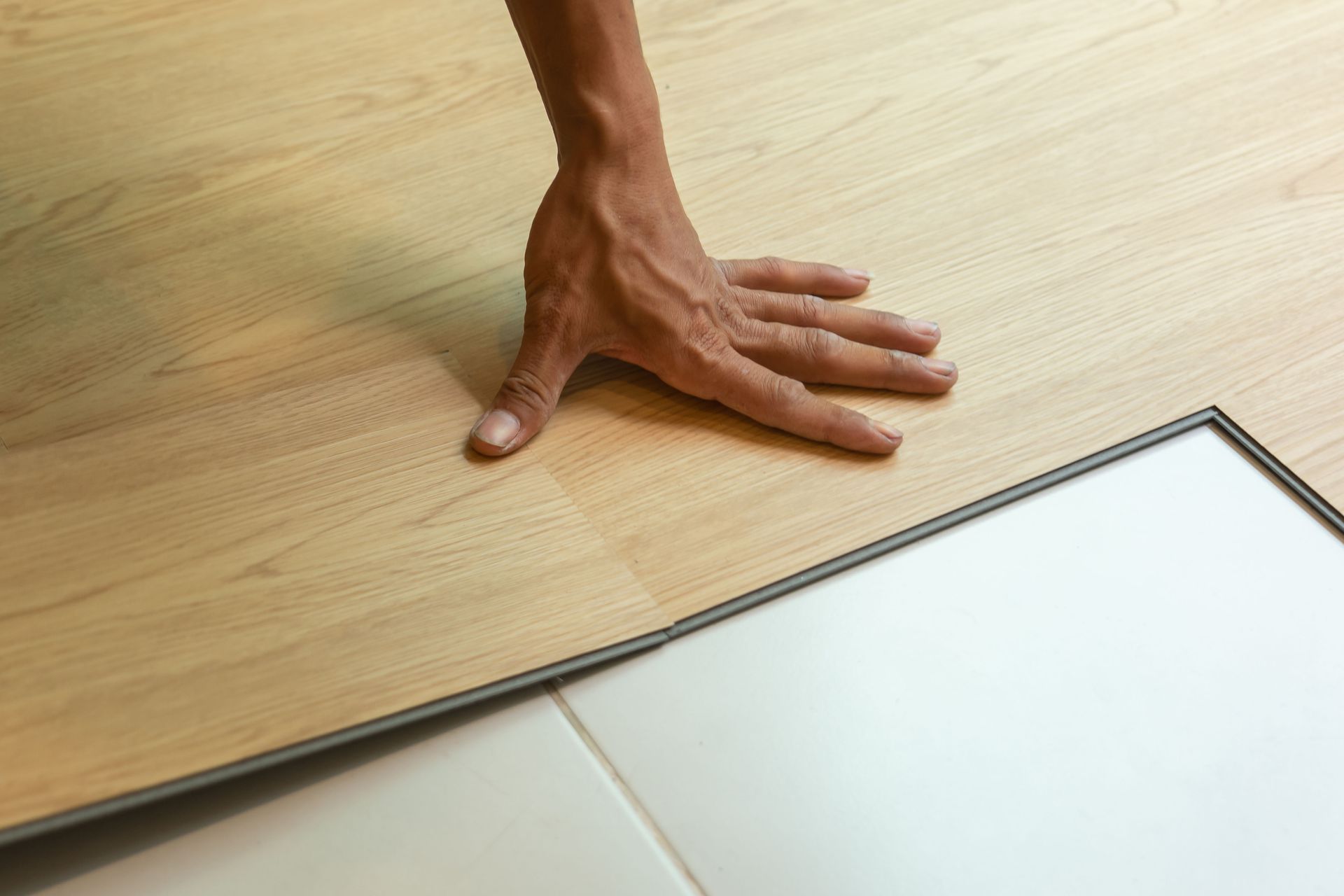
Navigating the extensive modern marketplace reveals an impressive spectrum of product designs, locking mechanisms, and dimensional thickness tiers tailored for specific installations. Standard residential grade options provide an exceptionally cost-effective solution for budget-conscious renovations, utilizing a flexible composition that easily conforms to minor subfloor variations. Conversely, commercial-grade luxury vinyl plank options feature substantially thicker wear layers, often exceeding twenty mils, to withstand intense pedestrian foot traffic. The specific architectural application dictates the ideal installation mechanism, which ranges from traditional glue-down installations using pressure-sensitive adhesives to advanced floating click-lock systems. Property owners must evaluate these diverse structural classifications to select an appropriate balance between upfront material costs, installation speed, and long-term durability parameters.
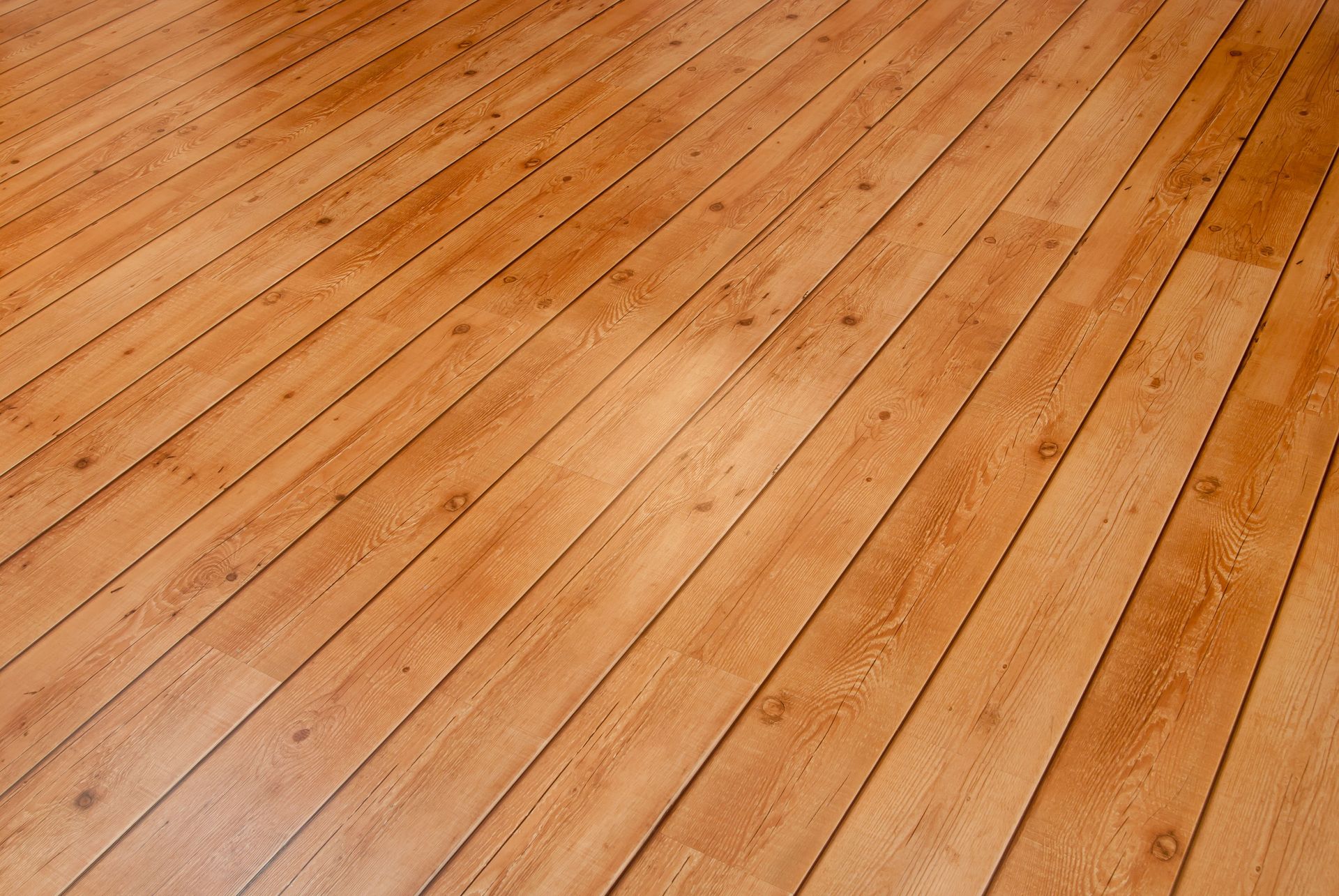
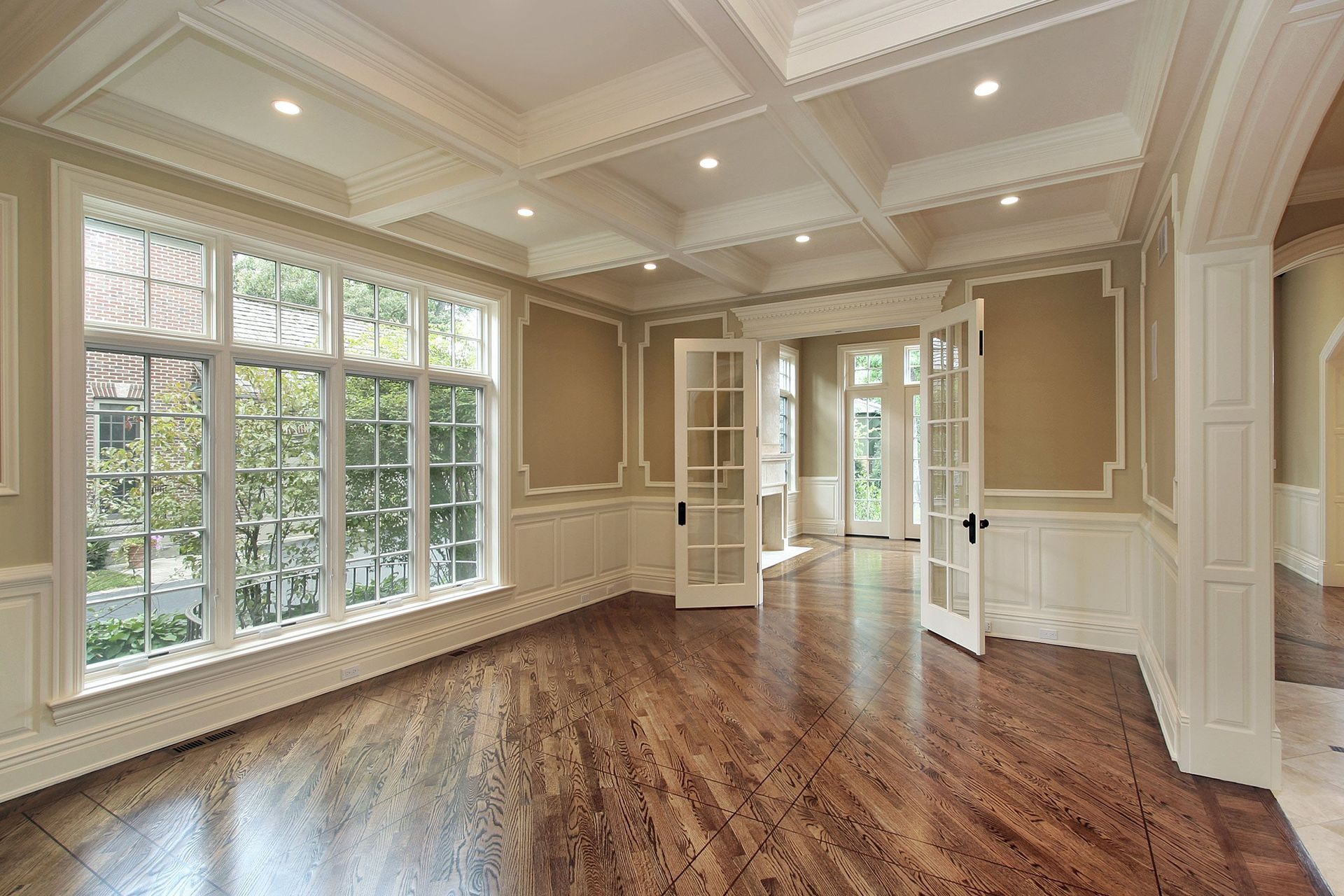
The visual versatility of a contemporary multi-layer product allows it to seamlessly integrate into any interior design philosophy, spanning from traditional rustic aesthetics to minimalist layouts. Sophisticated mechanical embossing registers the physical surface texture directly over the underlying photographic wood grain print, creating an extraordinarily authentic tactile experience underfoot. Design options include weathered driftwood interpretations, classic reclaimed barn wood patterns, sophisticated hand-scraped finishes, and contemporary wide-plank European oak styles. Furthermore, the availability of diverse gloss levels, ranging from ultra-matte finishes that hide footprints to classic semi-gloss sheen levels, expands creative control. This expansive design flexibility empowers interior decorators to execute complex visual concepts without incurring the extreme material costs or strict maintenance protocols of exotic natural resources.
Maximizing Long-Term Performance and Structural Benefits
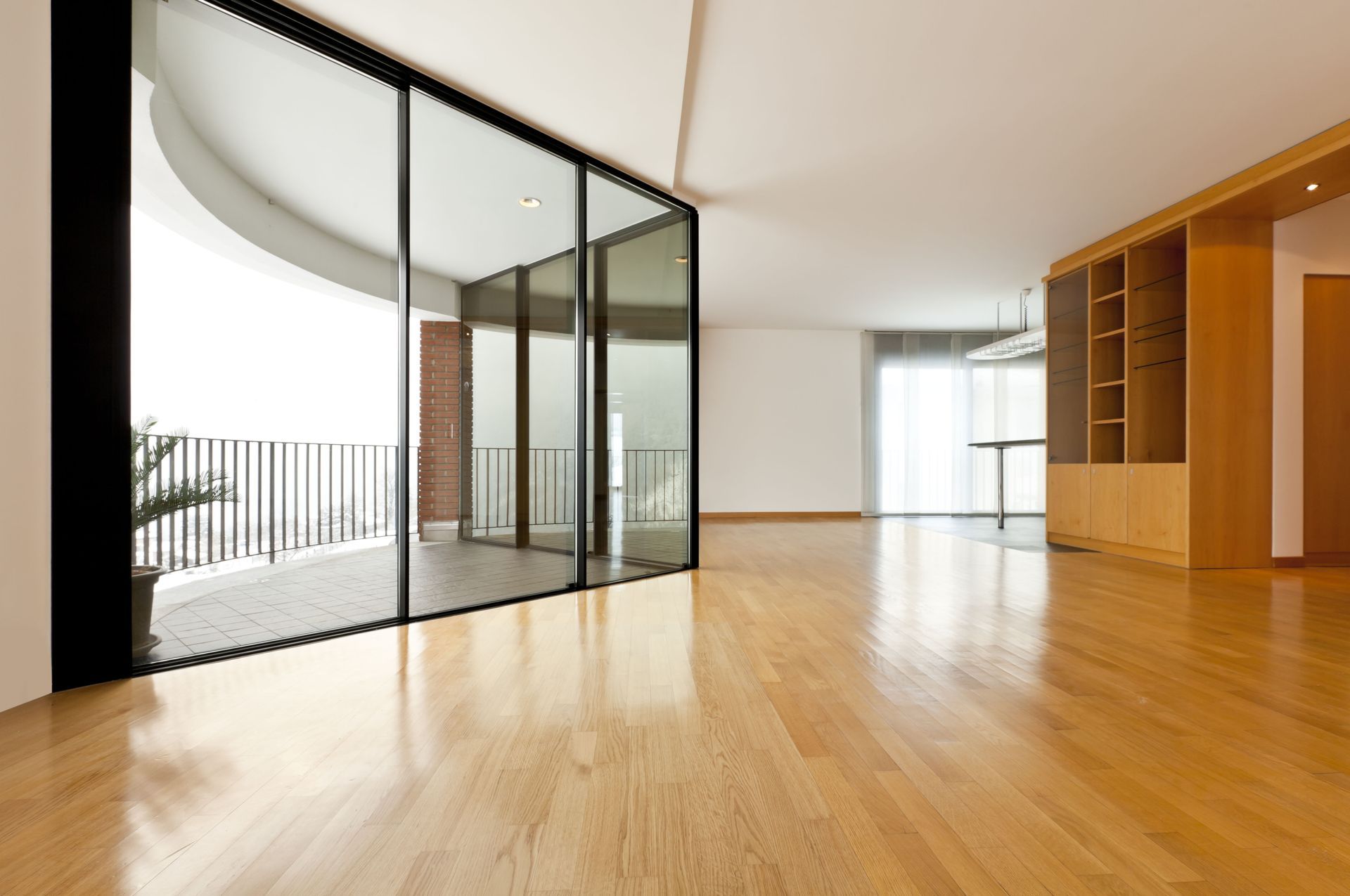
Embracing a high-quality synthetic floor system yields a multitude of practical benefits that directly enhance everyday household functionality and long-term property valuation. The most compelling advantage remains its absolute imperviousness to liquid exposure, rendering the material completely waterproof and resilient against common household spills. Unlike natural hardwood surfaces, which inevitably warp, cup, or split when subjected to prolonged moisture conditions, synthetic components maintain structural stability. This moisture resistance allows for a unified, cohesive flooring design across an entire home layout, seamlessly extending wood visuals into kitchens, mudrooms, and bathrooms. Property owners can experience the coveted aesthetic warmth of natural timber patterns in wet zones without worrying about costly moisture remediation projects.
The minimal maintenance protocol required to sustain the pristine appearance of a clean floor system represents another substantial benefit for busy modern households. The non-porous polyurethane wear layer effectively repels common staining agents, pet dander, tracked-in mud, and accidental chemical spills, keeping contaminants on the surface. Daily care involves simple sweeping or microfiber dust mopping, supplemented by occasional damp mopping with a neutral pH cleaner to restore surface clarity. Because these resilient surfaces never require labor-intensive sanding, staining, sealing, or mechanical waxing treatments, the cumulative lifetime operational costs remain exceptionally low. This ease of maintenance saves property owners considerable time and financial resources, allowing the flooring to retain its original showroom luster for decades.
In summary, modern synthetic planks represent a triumphant convergence of advanced material chemistry, robust engineering design, and stunning aesthetic flexibility within the flooring industry. From its early historical developments to the creation of completely waterproof rigid cores, this versatile material continues to redefine residential renovations. Understanding the precise dimensional standards, multi-layered construction benefits, and rigorous environmental certifications allows consumers to make highly informed purchasing decisions for their properties. For more information about the services that we offer, reach out to our incredible team at Foothills Flooring today!